Va Ethnic Group
Introduction
The Va ethnic group is an indigenous people primarily located in the mountainous regions of Southwest China's Yunnan province. The Va people are recognized for their vibrant customs, one of the most notable being the Monihei festival, where participants smear each other with natural materials like muddy water as a means of warding off evil spirits and seeking blessings for peace and prosperity. This practice reflects the deep spiritual and communal aspects of Va culture, emphasizing harmony with nature and strong community ties.
History
Early History
The Va people have inhabited the mountainous terrains of present-day Yunnan province and adjacent areas for centuries. Historically, they lived in relative seclusion, developing unique traditions and a way of life closely tied to the natural environment. The mountains provided a natural barrier, allowing the Va to preserve their ancestral customs and beliefs.
Modern Developments
In recent years, the Va community has undergone significant transformations, primarily driven by the development of tourism. Villages like Wengding, traditionally isolated, have seen an influx of visitors, bringing economic opportunities and challenges. The introduction of tourism has led to improved living standards for many Va families, as evidenced by the substantial increase in income from tourism-related activities. Local initiatives have focused on promoting the Va culture as a living heritage, integrating traditional practices into the tourism experience while fostering economic growth.
Geography
Distribution
In China, the Va ethnic group is predominantly found in the southwestern part of the country, especially in Yunnan province, as well as near the China-Myanmar border. Their settlements are concentrated in mountainous areas, characterized by dense forests and mist-covered peaks. This geographical setting has played a crucial role in shaping the Va way of life, influencing their agricultural practices, housing styles, and traditional beliefs.
Major Settlements
One of the most notable Va settlements is the village of Wengding, situated in the Awa Mountains. Wengding is renowned for its picturesque landscape and well-preserved traditional architecture, featuring thatched cottages and communal spaces. The village's remote location has contributed to its cultural preservation, making it a focal point for visitors interested in experiencing authentic Va traditions. Other significant Va communities can be found scattered throughout the rugged terrain, each maintaining its unique local customs while sharing a common ethnic identity.
Language
Dialects
The Va language is an essential aspect of the group's cultural identity, serving as a medium for oral traditions, folklore, and communal interactions. Various dialects exist within the Va-speaking population, reflecting the group's diverse sub-communities and geographical dispersion. Despite the presence of multiple dialects, the language retains a cohesive structure that unites Va people across different regions.
Language Preservation
Efforts to preserve the Va language have become increasingly important, particularly in the face of modernization and external influences. Initiatives aimed at documenting and teaching the language to younger generations are crucial in maintaining its vitality. Schools, cultural organizations, and community leaders play a pivotal role in these preservation efforts, ensuring that the Va language remains a living and integral part of the community's identity.
Culture
Traditional Practices
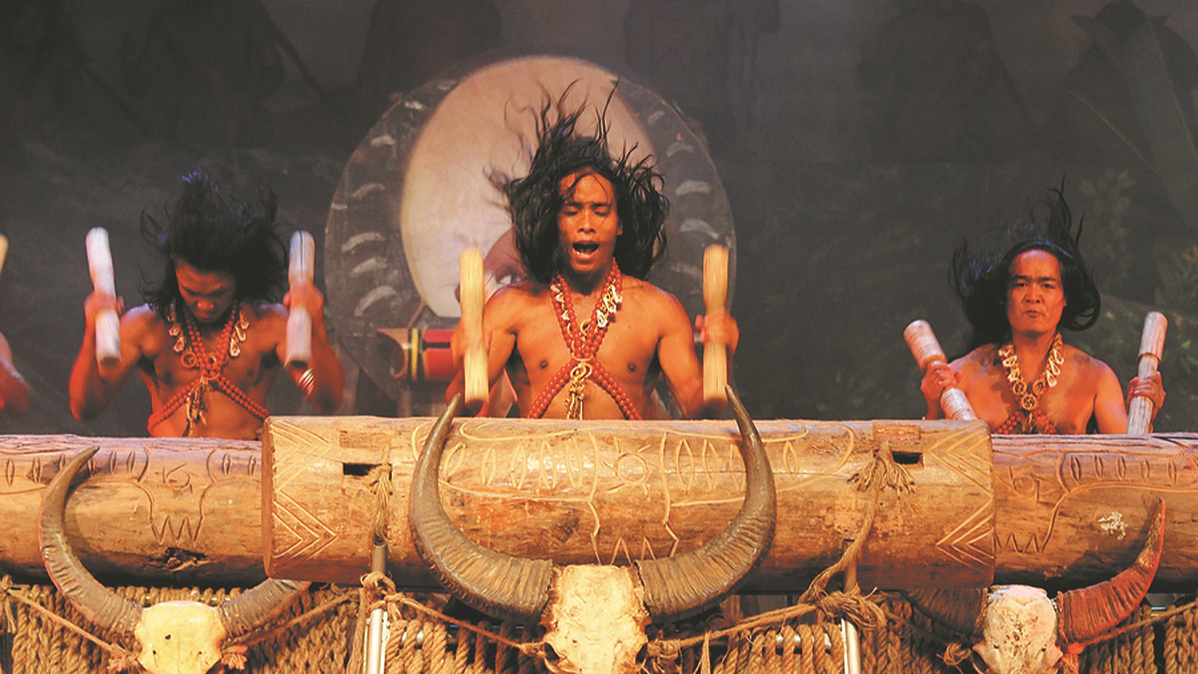
Traditional practices among the Va people are deeply rooted in their environment and spiritual beliefs. The Monihei festival, for example, reflects the community's connection to nature and their desire for harmony and protection. Other customs include the hanging of ox skulls, which serve as totems symbolizing strength and prosperity, and the use of wooden drums to communicate with deities during religious ceremonies.
Monihei Festival
The Monihei Festival is a vibrant celebration filled with joy for the Va ethnic group. Also known as the "Smear You Black Festival", it features a traditional ritual where participants smear each other with blackened mud, symbolizing purity, fertility, and the washing away of misfortunes. This activity fosters unity and brings the community together in laughter. The festival also includes traditional dances, songs, and drumming, showcasing the rich cultural heritage of the Va people. As night falls, bonfires are lit, and the community gathers to share stories and enjoy festive foods. The Monihei Festival is a time of great rejoicing and renewal for the Va ethnic group.
Music and Dance
Music and dance are integral components of Va cultural expression, with traditional performances often accompanying festivals and religious ceremonies. Va music typically features the use of wooden drums and other indigenous instruments, creating rhythms that are both celebratory and spiritual. Dance forms are characterized by their energetic and communal nature, often involving intricate choreography and symbolic gestures.
Clothing
Traditional Va clothing is distinctive and reflects the group's cultural aesthetics and environmental adaptations. Typical attire includes garments made from natural fibers, adorned with intricate patterns and motifs that hold cultural significance. Clothing is often worn during festivals and ceremonies, serving as a visual representation of ethnic identity and pride.
Economy
Traditional Agriculture
The Va people have historically relied on agriculture as their primary economic activity, cultivating crops suited to their mountainous environment. Traditional farming practices are characterized by a deep understanding of local ecological conditions, allowing for sustainable use of natural resources. Subsistence agriculture has long been a mainstay of Va communities, providing for their daily needs and supporting their self-sufficient lifestyle.
Modern Economic Activities
The rise of tourism has introduced new economic opportunities for the Va people, complementing their traditional agricultural practices. Many Va villages have embraced tourism as a means of generating income, offering cultural experiences, accommodations, and local crafts to visitors. This shift has led to improved infrastructure and living conditions, while also presenting challenges related to cultural preservation and sustainable development.
Social Structure
The Va society is traditionally organized around kinship and communal relationships, with an emphasis on collective welfare and social cohesion. Leadership roles are typically occupied by respected elders or community leaders, who guide decision-making processes and maintain social order. The social structure encourages cooperation and mutual support, reflecting the communal values that underpin Va culture.
Traditional Beliefs
The Va people have a rich spiritual tradition that is deeply intertwined with their natural environment. Animistic beliefs and practices are central to their religious life, with a focus on harmony with nature and reverence for ancestral spirits. Rituals and ceremonies are often conducted to honor deities and seek their guidance and protection.
Cultural Preservation and Promotion
Efforts to preserve and promote Va culture are crucial in the face of globalization and modernization. Various initiatives focus on documenting and revitalizing traditional practices, language, and arts, ensuring that they remain vibrant and relevant. Community-driven projects, supported by local and regional organizations, aim to safeguard the cultural heritage of the Va people while fostering pride and identity among younger generations. These efforts highlight the importance of cultural preservation as a means of strengthening social cohesion and resilience in today's world.








